
San Diego · Temporary Power Services
Temporary Power Pole
Metered temp poles, pedestals and panels built to SDG&E standards, with the permit pulled and the inspection booked.
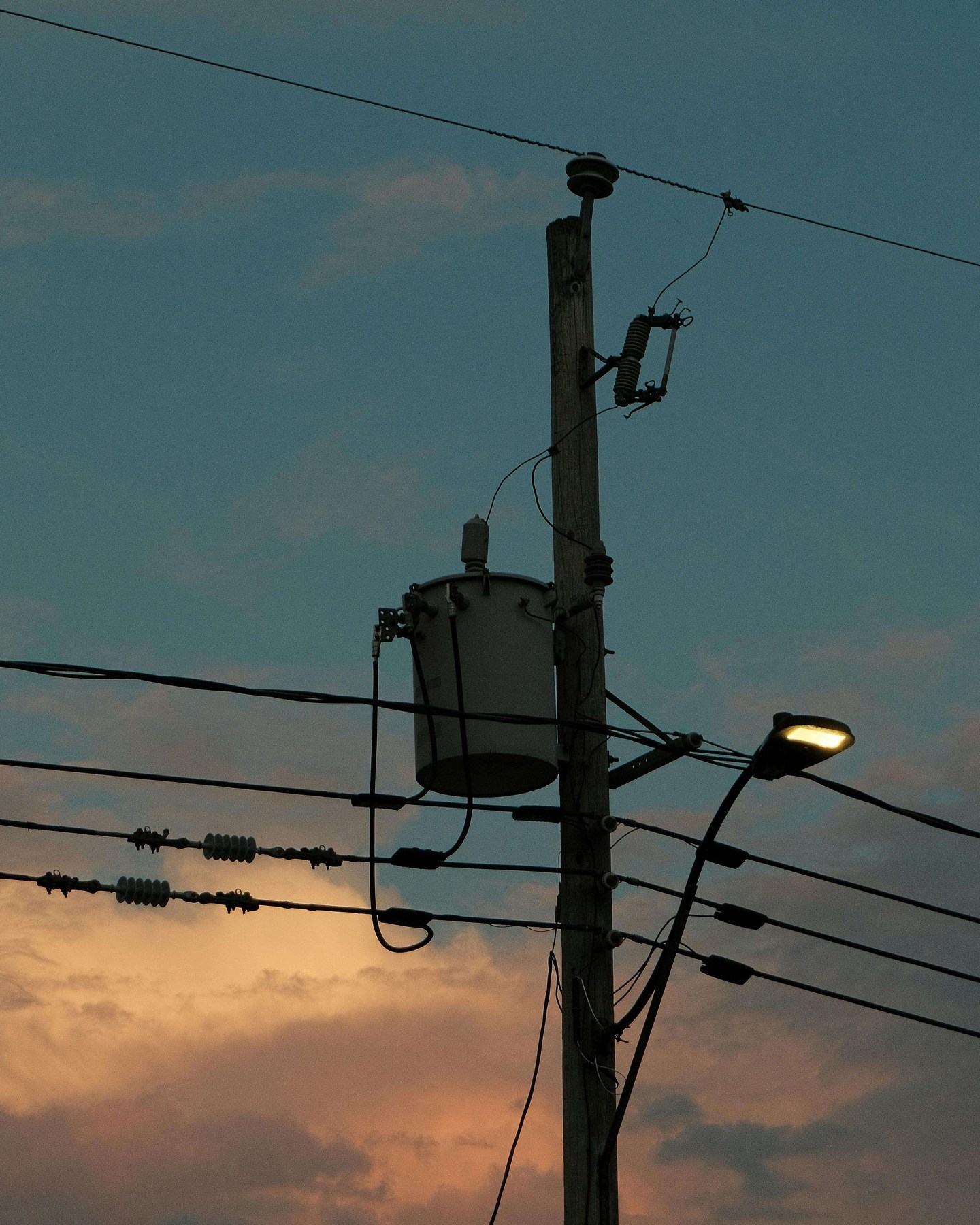
Temporary Power Pole · San Diego
What A Temporary Power Pole Actually Is
A temporary power pole is a self-supporting, code-compliant service that gives a construction site metered utility power before the building has a permanent one. It carries a meter socket, a main breaker, a small panel and GFCI-protected receptacles, and it is grounded, braced and set to the utility’s own standards so the meter can be installed against it. People call it a temp pole, a construction pole, a temp power box or a temporary power panel, and in San Diego County it has to satisfy both the city or county electrical inspector and SDG&E before anyone plugs anything in. We build, permit, install and remove them for general contractors, builders, remodellers and owner-builders right across the county, and we handle the utility application rather than handing you a form. If the schedule will not wait for a meter set, we will put a generator rental on the site to bridge the gap and take it off rent the week the pole is energized.
Why Go With Us For Temp Power
Most of what goes wrong with a temporary service goes wrong before anyone turns anything on. A pole set in the wrong place fails inspection or ends up somewhere the trades cannot reach; an application filed without the right drawings sits in a queue for weeks; a single ground rod on ground that needed two means a second inspection visit. We do this every week across every jurisdiction in the county, so we know which inspector wants what, how SDG&E queues a meter set at this time of year, and where a pole needs to sit so it still works when the framing goes up. That is the same discipline we bring to generator rental, job-site lighting and site cameras, and it is why contractors come back to us for temporary power across San Diego County.
- Licensed C-10 electrical contractor, so the install, the permit and the utility coordination all sit with one company rather than three.
- We file the SDG&E application and the city or county electrical permit ourselves, and we meet the inspector.
- Poles built to the utility’s current standard with the correct meter socket, main breaker, bonding and grounding, so they pass first time.
- Sited on a walk of your actual lot, not off a plan, so it still serves the work once the building goes vertical.
- 100A, 200A and 400A single-phase, plus three-phase services for commercial and industrial sites.
- Flat written quote covering delivery, install, inspection and removal at the end, with no separate collection charge appearing later.
Reasons To Install A Temporary Power Pole
A temp pole earns its cost in a handful of clear situations:
The site has no permanent service yet
On a ground-up build there is no meter until the building is far enough along to take one. Everything before that — saws, compressors, pumps, the site trailer, the tools that charge overnight — runs off the temporary service. It is normally the first thing installed on a bare lot and the last thing removed.
The existing service is being replaced
A panel upgrade or a whole-house rewire means the house service comes out. Trades still need power while it is out, and running the job off a neighbor’s outlet is neither safe nor legal. A temp pole in the yard carries the site until the new service is energized and inspected.
Generator rental is getting expensive
A generator is the right answer for a few weeks and the wrong one for six months. Once a build is going to run past roughly a couple of months, metered utility power through a temp pole is almost always cheaper than continuing to rent and fuel a set, and it is quieter.
The inspector or the utility has asked for one
Plenty of jurisdictions will not sign off on construction proceeding without a proper temporary service, and SDG&E will not set a meter against something that does not meet its standard. If you have been told the site needs a permitted temp service, that is what this is.
Cords are running from somewhere they should not
Extension cords across a public sidewalk, into a neighboring property or out of a house being demolished are how people get hurt and how jobs get red-tagged. A properly grounded, GFCI-protected temporary service ends that conversation.
The site needs distribution, not just a plug
On anything larger than a single-family lot, one panel in one corner does not serve the work. The pole becomes the head of a distribution system feeding lighting, spider boxes and sub-feeds out to where the trades actually are.
Send us the address, the amperage you think you need and roughly when you want it live, and we will price it. Call: (858) 295-1371
How We Work
Site walk, load check, permit and utility application, then install. One coordinator from the first call to collection.
1. Site walk and load check
We walk the lot, find the point of connection, and work out where the pole can sit so it serves the job from first dig to final trim without being in the way. Then we size the service off what you are actually going to run rather than defaulting to 200 amps because it is the common answer.
2. Permit and utility application
We pull the electrical permit with the city or the county and file the SDG&E service application, with the site plan and the load information they need to process it rather than the minimum that gets it rejected. This is where most of the calendar time on a temp service actually goes.
3. Set, ground and energize
We set and brace the pole, install the meter socket, main breaker, panel and GFCI receptacles, drive and bond the ground rods, and meet the inspector. Once it is signed off, SDG&E sets the meter. When the permanent service takes over, we come back and remove the whole thing.
Temp Poles, Panels And Power Distribution
The pole is the head of the system. What hangs off it matters just as much:
Temporary power poles
The standard installation: a braced pole carrying a meter socket, main breaker, panel and GFCI receptacles, grounded to code and set to SDG&E’s standard so the meter can go on it. 100A, 200A and 400A single-phase covers the great majority of residential and small commercial sites.
Temporary power panels and temp power boxes
Where a pole is not needed or not possible, the same equipment can be built as a skid-mounted or wall-mounted temporary power panel. Common on commercial fit-outs where the point of connection is an existing house panel, and on sites where a free-standing pole has nowhere to go.
Spider boxes and portable power distribution
A spider box is a portable distribution box that takes one large feed and splits it into multiple GFCI-protected 120V and 240V outlets close to the work. They are what stops a site becoming a web of extension cords, and on any job bigger than a single lot they are the difference between a tidy site and a hazardous one. Available in 50A and 100A configurations.
Temporary power distribution boxes
Larger distribution equipment for commercial and industrial sites: 3-phase distro, transformers where the voltage needs changing, and sub-feeds out to separate work areas. On a big site this gets designed as a system at the start rather than assembled box by box as the job grows.
Underground and pedestal temporary services
Where the utility is undergrounded — much of La Jolla, Coronado and the newer master-planned areas — the temporary service connects to a pull box or pad-mount transformer rather than an overhead line, and it takes the form of a pedestal. Different hardware, same permit and inspection path.
Three-phase temporary electrical service
Commercial and industrial sites running welders, hoists, compressors or process plant need three-phase. Sizing has to account for motor starting current rather than just the sum of the running loads, which is the single most common mistake on an industrial temporary service.
SDG&E coordination and permits
Every temporary service in the county needs an electrical permit from the local authority and a service application with SDG&E. We file both. The permit is usually quick; the meter set is the part with a queue, and it is why we want to start the paperwork as early as your drawings allow.
What A Temporary Power Pole Costs
A standard residential temporary power pole in San Diego County typically runs somewhere between $1,200 and $3,000 installed, permitted and removed at the end. What moves it inside that range:
- Amperage. A 100-amp service is the cheapest; 200 amps is the common residential answer; 400-amp and three-phase services cost meaningfully more because the gear, the conductors and the grounding all step up.
- Distance from the point of connection. A pole ten feet from an existing overhead service is a straightforward job. A pole two hundred feet away needs a properly sized feeder, and that cable is a real cost.
- Overhead or underground. Connecting to an overhead line is generally simpler than working from a pull box or pad-mounted transformer, which needs different hardware and sometimes a utility crew.
- How long you keep it. Most of the cost is the install and removal rather than the rental, so a six-month job and a three-month job are closer in price than people expect.
- Distribution. The pole alone serves a small lot. Spider boxes, sub-feeds and cable out to separate work areas are priced on top and are worth budgeting for on anything larger.
- Access and site conditions. Rock, a slope, no truck access, or a location that needs hand-digging all add labor to an otherwise identical install.
You get a flat written quote after the site walk with the permit, the SDG&E application, the install, the inspection and the removal already inside the number. Where a job needs power before a meter can realistically be set, we will price a generator alongside it so you can see both options against your actual schedule.
Frequently Asked Questions
What is temporary power?
Temporary power is a permitted, metered electrical service installed on a construction site before the building has a permanent one. It is normally a temporary power pole carrying a meter socket, main breaker, panel and GFCI-protected outlets, grounded and braced to the utility’s standard. It powers the trades, the tools and the site trailer through the build and is removed once the permanent service is energized.
How long can you have a temporary power pole?
In most San Diego County jurisdictions a temporary service is tied to an active building permit, so it can stay as long as the permit is live — commonly six to twelve months, and extendable while construction is genuinely ongoing. Once the permanent service is energized or the permit lapses, the temporary service has to come out. If your permit is close to expiring, sort the extension before the meter is pulled rather than after.
How do you get temporary power?
Three things have to happen: an electrical permit from the city or county, a service application with SDG&E, and a compliant pole installed, inspected and signed off. We handle all three. Realistically, allow two to four weeks from the go-ahead to an energized pole in most of the county, with the utility meter set being the part that carries the queue.
Does a temporary power pole need a main breaker?
Yes. A temporary service needs a main disconnect that shuts off all ungrounded conductors, and on a standard temp pole that is a main breaker in the panel ahead of the branch circuits. It also needs GFCI protection on the receptacles and correct bonding of the neutral and ground at the service disconnect. An inspector will look for all three.
How many ground rods are required for temporary power?
Two, in practice. The code allows a single rod if it tests at 25 ohms or less, but almost nobody tests, so the standard approach is to drive two eight-foot rods at least six feet apart and bond them to the service. That is what inspectors in this county expect to see and it is what we install as standard.
What is the difference between temporary power and permanent power?
The electricity is identical — it is the same utility service and the same meter. The difference is the installation: temporary power is a self-supporting, removable service sized for construction load and tied to a building permit, while permanent power is the service that terminates at the building itself and stays for the life of the property. Temporary services also require GFCI protection on all receptacles, which permanent services do not everywhere.
How much does a temporary power pole cost?
Most residential temp poles in San Diego County land between $1,200 and $3,000 installed, permitted and removed. Amperage, the distance from the point of connection, and whether the utility is overhead or underground are what move the number. We quote flat-rate after a site walk, with the removal already included rather than billed later.
What is a temporary power distribution box?
It is portable gear that takes one large feed from the temporary service and splits it into multiple protected outlets near where people are working. The small ones are usually called spider boxes and give you several GFCI-protected 120V and 240V receptacles from a 50A or 100A feed. Larger distribution boxes handle three-phase and feed separate areas of a big site.
Need temp power in San Diego?
Tell us about the site and we will call you back within one business hour with a free estimate and a flat-rate quote.
Or call us now: (858) 295-1371