
San Diego · Temporary Power Services
Construction Site Security Cameras
Solar and cellular cameras that need no site power or internet, with live view, recording and motion alerts.
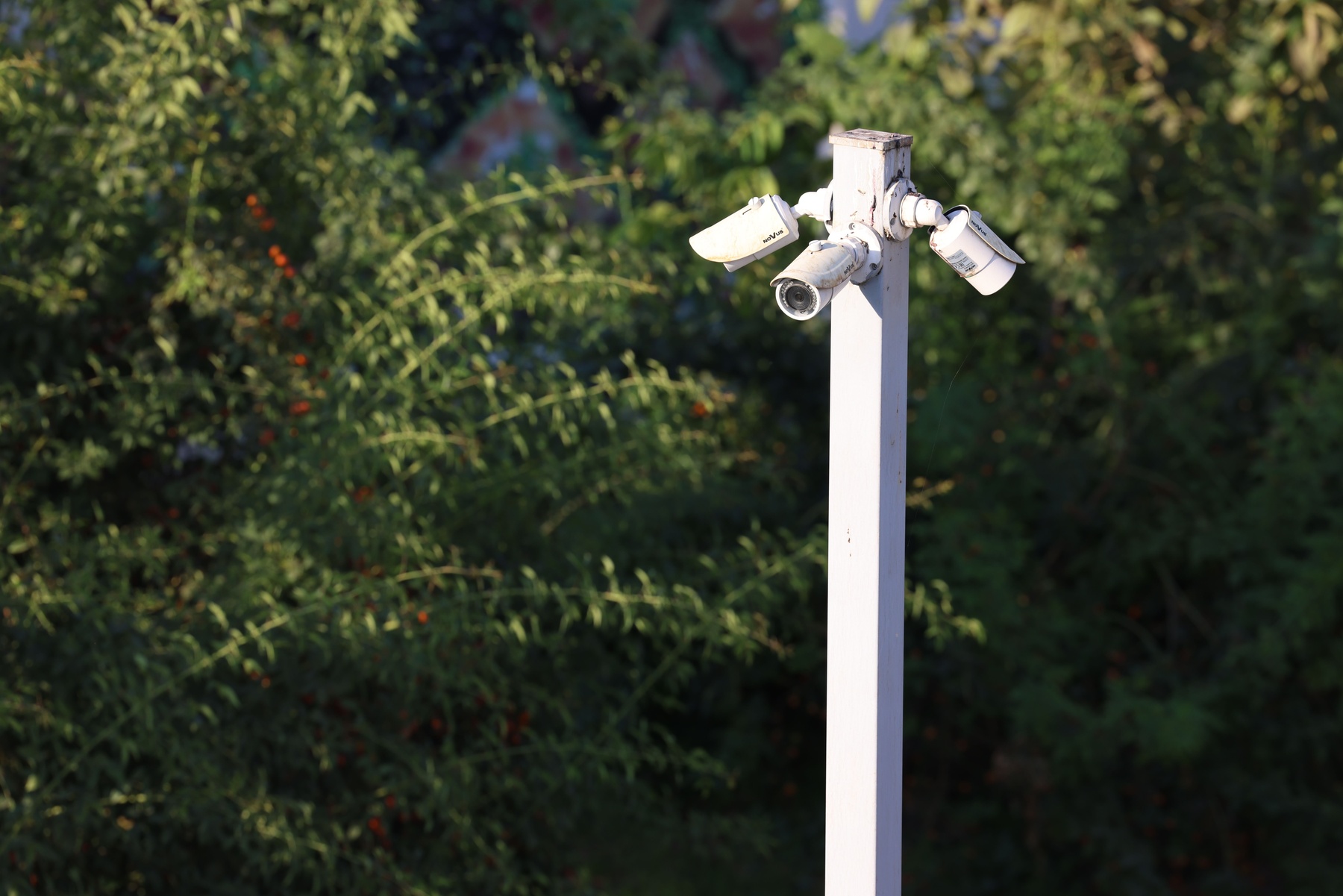
Construction Site Security Cameras · San Diego
Watching A Site That Has No Power Or Internet
A construction site is a soft target and everyone in the trade knows it: copper, tools, fuel, appliances and materials sitting on an unlit lot behind a chain-link fence, with nobody there from six in the evening until seven the next morning. The problem with most camera systems is that they assume the two things a job site does not have — mains power and an internet connection. Ours do not. We install solar-powered, cellular-connected cameras and mobile surveillance trailers that arrive as a self-contained unit, get positioned where they can actually see something, and start recording the same day. You get live view and playback on your phone, motion alerts overnight, and footage that is stored off site so it survives the camera being stolen. If the site already has a portable WiFi connection, a multi-camera system runs cheaper on that than on individual data plans.
Why Go With Us For Site Security
Camera placement is most of the value and it is the part that gets least thought. A camera pointed at a gate from two hundred feet away in the dark gives you a gray shape, which tells you that you were robbed but nothing about who by. Cameras need to cover the approach rather than the fence line, sit at a height and angle that captures a face or a plate, have enough infrared or white-light illumination to work at three in the morning, and be mounted somewhere they cannot simply be pulled down. We position them for that, and we combine them with site lighting where the honest answer is that a lit site is the bigger deterrent. Cameras are one part of what a licensed temporary power company brings to a site, and they work best ordered with everything else rather than bolted on after a break-in.
- Solar and battery powered, so no dependency on the temporary service being live or a generator running overnight.
- Built-in cellular, so the cameras work on day one with no site internet at all.
- Footage stored off site as it records, so stealing the camera does not steal the evidence.
- Positioned for identification — approach routes, gates and lay-down areas at a usable height and angle — rather than pointed at a fence.
- Motion alerts to your phone overnight, with detection zones set so passing traffic does not generate a hundred notifications.
- Repositioned as the build changes, because a camera that covered the whole lot in week one is looking at a wall by week twenty.
Reasons To Put Cameras On A Job Site
Cameras go on a site for more reasons than theft, though theft is usually what prompts the call:
Copper and tools are walking
Wire, tools, appliances and fixtures are the standard targets, and a site that has been hit once tends to get hit again while the crew is still replacing what went. Cameras plus light change the calculation for anyone scouting the lot.
The site sits empty over long weekends
A four-day holiday weekend with nobody on site is when the serious losses happen. That is exactly when remote monitoring and overnight motion alerts are worth what they cost.
You need to prove what happened and when
Delivery disputes, damage to a neighboring property, an injury claim, an argument about whether a trade was actually on site on a given day: recorded footage settles all of them, and it is a great deal cheaper than the alternative.
The insurer or the owner asked for it
Plenty of policies and owner contracts now require site monitoring on projects above a certain value, and some carriers price the premium accordingly. It is worth checking before you decline.
You cannot get to the site every day
On a project running across several sites, being able to look at any of them from a phone is worth real time. It also gives the owner a way to see progress without a site visit every week.
You want a time-lapse of the build
The same camera position that watches the gate overnight will produce a construction time-lapse of the whole project, which is genuinely useful marketing and costs nothing extra once the camera is there.
Send us a site plan or a satellite view and we will tell you how many cameras it takes and where they should sit. Call: (858) 295-1371
How We Work
Site walk, load check, permit and utility application, then install. One coordinator from the first call to collection.
1. Look at the site and the risk
We work out how somebody would actually get in, where the valuable material is going to sit, and which sight lines still work once the building goes vertical. That is what decides camera count and position, not the size of the lot.
2. Install and configure
Cameras go up on poles, containers, fencing or a trailer mast, aimed and focused, with solar panels oriented for the season and detection zones drawn so traffic and trees do not trigger alerts all night. Then we set up the app on your phone and anyone else’s who needs it.
3. Monitor, adjust and remove
We check the units stay online and keep recording. As the structure changes we come back and reposition, because a camera looking at a new wall is doing nothing. At the end we take everything away and archive the footage you want kept.
Camera Systems We Install
What fits depends on the site, the value at risk and how long the job runs:
Solar construction site cameras
Self-contained units with a solar panel and battery, mounted on a pole or the fence line. No mains power, no internet, nothing to plug in. This is the standard answer for most sites and it goes up in an afternoon.
Mobile surveillance trailers
A towable trailer with a telescoping mast, multiple cameras, solar and battery, and often a floodlight and speaker. The mast height gives sight lines across a whole yard, and the trailer itself is a visible deterrent that people notice from the road. Suits large sites, lay-down yards and car parks.
Cellular jobsite cameras with no WiFi needed
Every camera we install carries its own cellular connection, so the system works from the first day before any site internet exists. Where the site does have a connection, a larger system will run on that more cheaply.
Live view and remote monitoring
Live streams and recorded playback on a phone or a browser, for as many people as need access. Overnight motion alerts with sensible detection zones, so you get told about someone walking the fence line rather than about every car on the street.
Floodlights, sirens and speakers
Cameras that light up, sound an alarm or let a monitoring operator talk to somebody on the site. Being addressed by name from a speaker moves most opportunists along immediately, which is a considerably better outcome than good footage of a theft.
Construction time-lapse cameras
A fixed camera capturing the build at intervals, producing a time-lapse of the whole project. Runs from the same units and the same connection, and it is worth setting up on day one because you cannot go back and film the excavation later.
What Site Camera Rental Costs
Camera rental generally runs $200 to $600 per camera per month, and a mobile surveillance trailer sits higher. What decides the number:
- How many cameras the site needs. That is driven by sight lines and approach routes rather than acreage — a long, narrow lot can need more units than a bigger square one.
- Cameras or a trailer. Individual solar cameras are cheaper per unit; a mast-mounted trailer covers far more ground and is a stronger visible deterrent.
- Whether they run on cellular or on site internet. Individual data plans add up, so on a multi-camera system a shared site connection usually costs less.
- How long the footage is retained. Thirty days of continuous recording costs more to store than motion-triggered clips, and on most sites the clips are what actually get watched.
- Whether anyone is watching live. Recorded and alerted is the standard package; live human monitoring overnight is a different service at a different price.
- How often they need repositioning. On a fast-changing structure that is a real recurring cost, and it is included in our monthly rate rather than billed per visit.
You get a flat monthly rate covering the equipment, the connectivity, the storage and the repositioning visits. Most sites order this alongside site lighting, because a lit site and a watched site together deter far more than either does on its own.
Frequently Asked Questions
What is the best security camera for a construction site?
One that does not depend on the site having power or internet. On a live job that means a solar-powered, battery-backed camera with its own cellular connection, mounted high enough that it cannot be pulled down and aimed at the approach rather than the fence. Resolution matters less than placement and night-time illumination — a 4K camera pointed at the wrong thing is worth nothing.
Are there jobsite cameras that do not require WiFi?
Yes, and they are what we install as standard. Each camera carries a cellular modem and uploads over the mobile network, so the system works from the day it goes up with no site internet at all. If the site later gets a connection, larger systems can move onto it and cut the running cost.
Do construction site cameras need power?
Ours do not. They run on solar panels with battery backup sized to carry them through several overcast days, which in San Diego is more margin than the weather usually demands. That matters most in the first weeks of a job, when the lot is bare and there is no temporary service yet.
How much does it cost to rent construction site security cameras?
Budget roughly $200 to $600 per camera per month depending on the specification and whether it runs on cellular or a site connection. A mobile surveillance trailer with a mast and multiple cameras costs more but covers ground that several individual units could not. Everything is a flat monthly rate including connectivity and storage.
Do security cameras actually stop construction site theft?
Visible cameras plus lighting reduce it substantially, and units with a floodlight and a speaker do better still because being addressed out loud moves most opportunists along before anything is taken. Where a theft does happen, off-site recorded footage is what turns a police report into something actionable and what an insurer will actually accept.
Can I watch my job site from my phone?
Yes. Live view and recorded playback run in an app or a browser, with access for as many people as you want — you, the superintendent, the owner. Overnight motion alerts go to whoever needs them, with detection zones set so passing cars do not generate alerts all night.
Need temp power in San Diego?
Tell us about the site and we will call you back within one business hour with a free estimate and a flat-rate quote.
Or call us now: (858) 295-1371