
San Diego · Temporary Power Services
Portable WiFi
Bonded 5G and LTE internet for job trailers and site offices, delivered ready to switch on with no contract.
Portable WiFi · San Diego
Internet On Site Before The Building Has Any
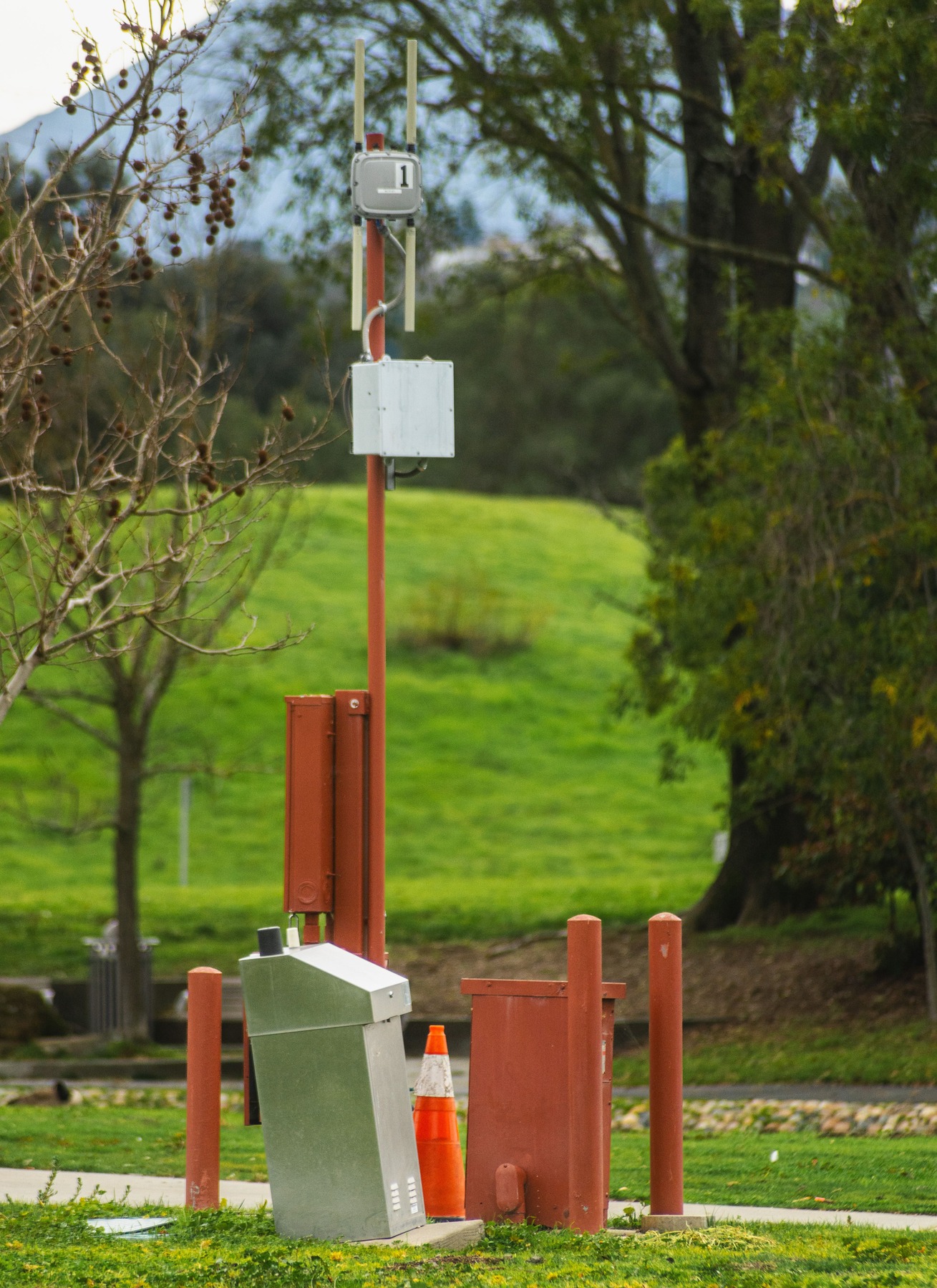
A construction site needs internet long before the building has a data service. Inspections get booked and signed off online, submittals and RFIs move through a portal, daily progress photos upload from someone’s phone, the site cameras need a connection, and the trailer runs a printer and a laptop that both expect a network. Our portable WiFi is a self-contained unit — a router with cellular modems, an external antenna and a battery or mains supply — that we configure, deliver and switch on for you. It is a jobsite WiFi service rather than a box in a carton: we check coverage at your address before we quote, pick the carriers that actually work there, and mount the antenna where it gets signal. It rents by the month with no contract, and it goes on the same order as your temporary power so it turns up when the site does.
What Makes Our Jobsite WiFi Different
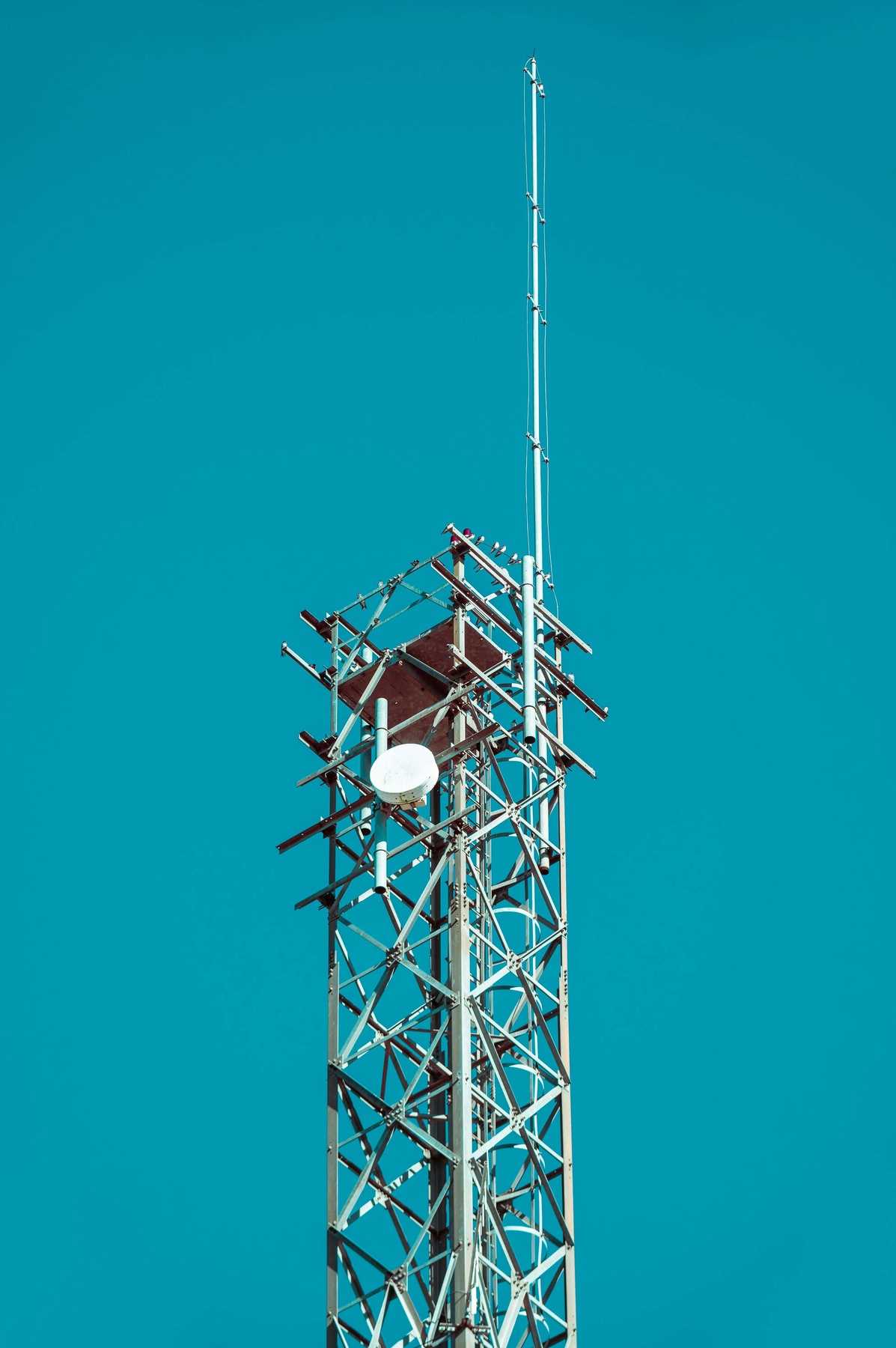
The consumer hotspot approach fails on a construction site for reasons that have nothing to do with the hardware. Signal at ground level between steel and concrete is not signal at roof level. One carrier that works fine in the car park may have nothing at the back of the lot. And a device sitting on a desk with a built-in antenna is not going to reach a camera trailer two hundred feet away. We size and site the equipment for the actual conditions, use external directional antennas as standard, and bond more than one carrier where the location warrants it. It is the same approach we take to site security cameras, which depend on exactly the same connectivity. It sits alongside the generator rental and job-site power and equipment rentals that get most sites started in the first place.
- Coverage checked at your actual address before we quote, across all the major carriers, rather than assumed from a map.
- External and directional antennas as standard, mounted for line of sight rather than left on the router.
- Multiple carriers bonded on one connection where the site needs it, so a single network outage does not stop the job.
- Month-to-month rental with no contract and no early termination charge, because construction schedules move.
- Configured and tested before it leaves us, so it works when it is plugged in rather than needing a phone call.
- Delivered on the same run as the rest of your site package if you want it that way.
Reasons To Put Internet On A Job Site
Site internet has stopped being optional on most projects, and here is where it actually earns its cost:
Inspections and submittals run online
Booking an inspection, uploading a submittal, closing out an RFI and pulling a revised drawing all happen through a portal now. Doing that on a phone with one bar, standing in the street, is how a day gets lost that nobody logs as lost.
The site cameras need a connection
Cellular cameras carry their own modem, but a multi-camera system, a time-lapse rig or anything streaming continuously is far cheaper and far more reliable on a site connection than on individual data plans. Ours is what our camera systems run on.
The trailer is an office
A site trailer with a superintendent in it needs a printer, a laptop, a video call to the architect and a plan set that lives in the cloud. That is an office, and an office needs a network rather than a tethered phone.
Coverage on the lot is genuinely bad
Plenty of sites in San Diego County have poor cellular coverage at ground level — canyon lots, back-country parcels around Poway, the inside of a concrete structure. An external antenna at height solves a problem that no amount of swapping phones will.
The permanent service is months away
Fiber or cable to a new building is a work order with a lead time measured in months, and it is nobody’s priority until the building exists. Portable WiFi covers the whole gap and comes off rent the week the permanent circuit is live.
The homeowner moved out and took the router
On a deep remodel the existing internet usually leaves with the occupants. That kills the cameras, the smart locks and the site connection all at once, right at the point the property is empty and needs watching.
Give us the site address and we will check what coverage is actually available there before you commit to anything. Call: (858) 295-1371
How We Work
Site walk, load check, permit and utility application, then install. One coordinator from the first call to collection.
1. Coverage check on your address
Before we quote we look at what each carrier genuinely delivers at that specific location, not the marketing coverage map. On difficult sites — canyon lots, dense structures, back country — we will go and test rather than guess, because that is where the guessing costs you.
2. Configure and stage
We build the unit for your site: the right carriers, bonded if the location needs it, the right antenna for the distance and direction, and the network locked down with a proper password rather than the one printed on the case. Then we test it before it ships.
3. Deliver, mount and hand over
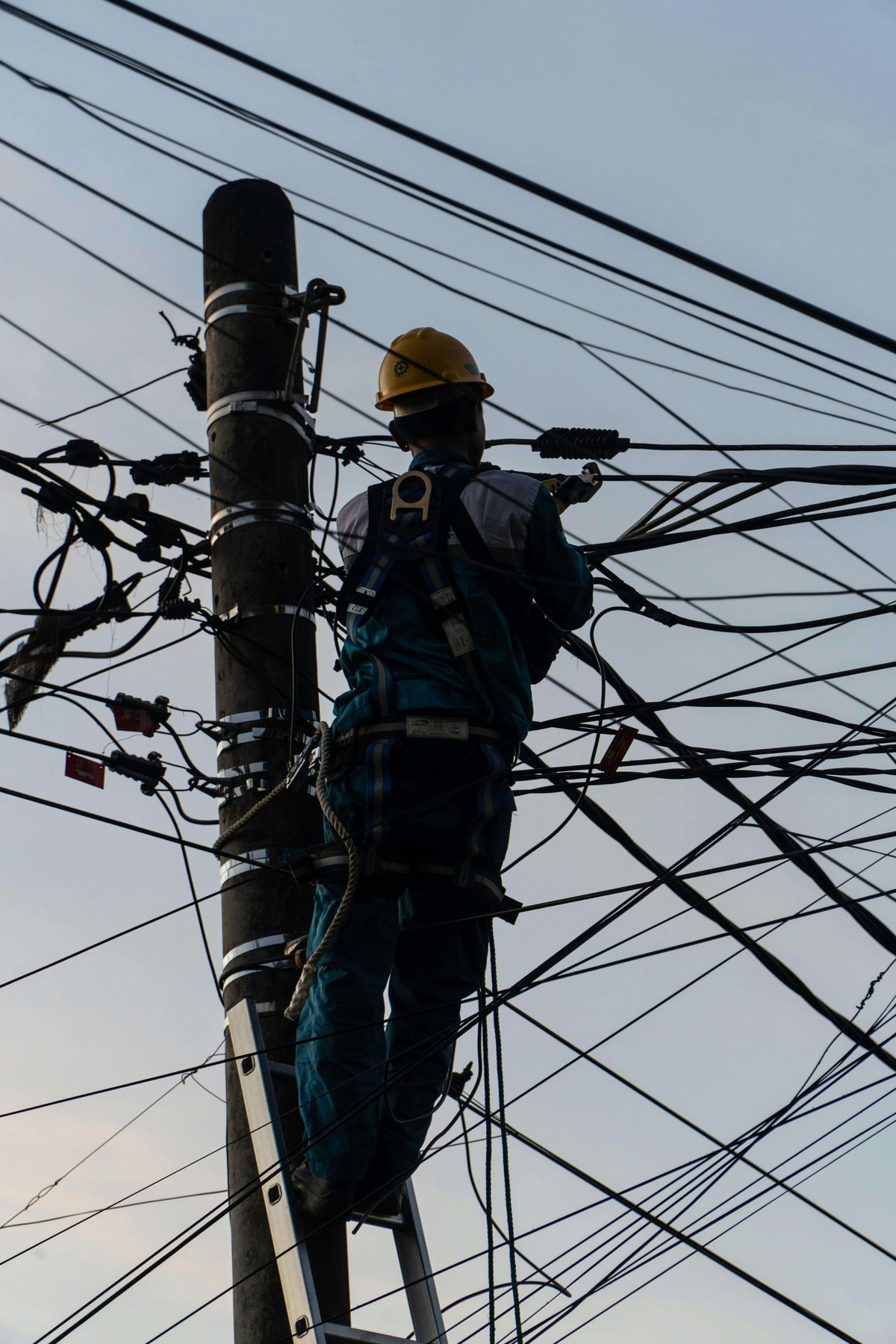
We site the antenna where it gets signal, mount it properly so it survives wind and weather, connect it to your site power or its own supply, and confirm real throughput on site. If it needs moving as the building goes up and blocks the path, we come back and move it.
Site Connectivity We Cover
Different sites need different answers, and the cheapest one that works is the one we will recommend:
Portable WiFi hotspot rental
The straightforward option: a cellular router with an external antenna, a local WiFi network and enough data for a working site. Suits a single trailer, a small crew and a site with reasonable coverage. Month to month, no contract.
Bonded multi-carrier internet
Two or more carriers combined into a single connection, so the site stays up when one network has a bad day and gets more usable bandwidth when both are fine. Worth it on a project where a stopped connection stops people working.
Construction site WiFi coverage
Where one router will not cover the working area, we add access points to extend coverage across a floor plate, down a building or out across a yard. Concrete and steel attenuate WiFi badly, so covering a structure needs planning rather than optimism.
External and directional antennas
A high-gain antenna at height, aimed at the right tower, routinely turns an unusable site connection into a good one. This is the single highest-value thing we do on a difficult location, and it is why we do not just hand over a hotspot.
Internet for site cameras and access control
A dedicated connection for the security systems so the cameras keep uploading even if the trailer network is busy. On most sites this is the reason the connection has to be reliable rather than merely present.
Satellite where cellular does not reach
A small number of back-country parcels in the county have no usable cellular signal at all. Low-orbit satellite is the practical answer on those, and we will tell you when your site is one of them rather than selling you a router that will not work.
What Jobsite WiFi Costs
Portable WiFi rental generally runs $150 to $500 a month depending on the setup. What decides where you land:
- How much data the site actually uses. A trailer with two laptops is a very different load from a site streaming eight cameras around the clock.
- One carrier or several bonded together. Bonding costs more in hardware and in data plans, and it is worth it on jobs where a dropped connection stops work.
- How hard the location is. A site with good coverage needs a router and a small antenna. A canyon lot needs a mast, a directional antenna and time spent aiming it.
- Coverage area. One access point covers a trailer and its surroundings; covering a multi-storey structure or a large yard needs additional units.
- Length of rental. Longer bookings get a better monthly rate, and there is no early termination charge if the job finishes ahead of schedule.
- Whether it rides along with other equipment. Delivered alongside your power or camera package it costs less than a separate mobilization.
You get a flat monthly rate with the hardware, the data and the support inside it, and no contract to break when the job ends. Most sites take this on the same order as their security cameras, since the two share an antenna and a delivery.
Frequently Asked Questions
How fast is portable WiFi on a construction site?
On a site with decent cellular coverage, expect roughly 50 to 300 Mbps down on a single 5G carrier, which comfortably runs a trailer, a plan set in the cloud, video calls and a camera system. Bonding two carriers raises both the speed and, more importantly, the reliability. On a poor-coverage site an external antenna at height often makes more difference than any change of hardware.
Do you have to pay monthly for portable WiFi?
Ours is a monthly rental that includes the hardware, the data and support, and there is no contract or early termination charge. Consumer hotspot plans usually tie you into a term and bill an early exit, which does not suit a job that might finish six weeks early or run three months long.
Can construction mess with WiFi?
Yes, and more than people expect. Concrete, steel decking, foil-faced insulation and stucco lath all attenuate WiFi badly, so a router that covers a whole floor plate on a bare slab may barely reach the next room once the walls go up. It is why we plan coverage as the structure changes and add access points rather than assuming one unit will cover the job from start to finish.
Does WiFi go through concrete?
Poorly. A concrete wall can cut a WiFi signal by a large factor, and rebar makes it worse by acting as a partial shield. Cellular signal has the same problem, which is why the antenna belongs outside the structure with a cable run in, rather than on a router sitting inside it.
What if there is no cell service at my site?
We check that before quoting. If no carrier gives usable service at your address even with a high-gain antenna at height, we will say so and put low-orbit satellite on the site instead. It costs a little more and it works essentially anywhere with a clear view of the sky.
Can the WiFi run the site security cameras?
Yes, and on multi-camera sites that is normally the cheaper approach. One good site connection carrying six cameras beats six separate cellular data plans on both cost and reliability. We size the connection for the camera load when the two are ordered together.
Need temp power in San Diego?
Tell us about the site and we will call you back within one business hour with a free estimate and a flat-rate quote.
Or call us now: (858) 295-1371